What is Charles Bonnet Syndrome?
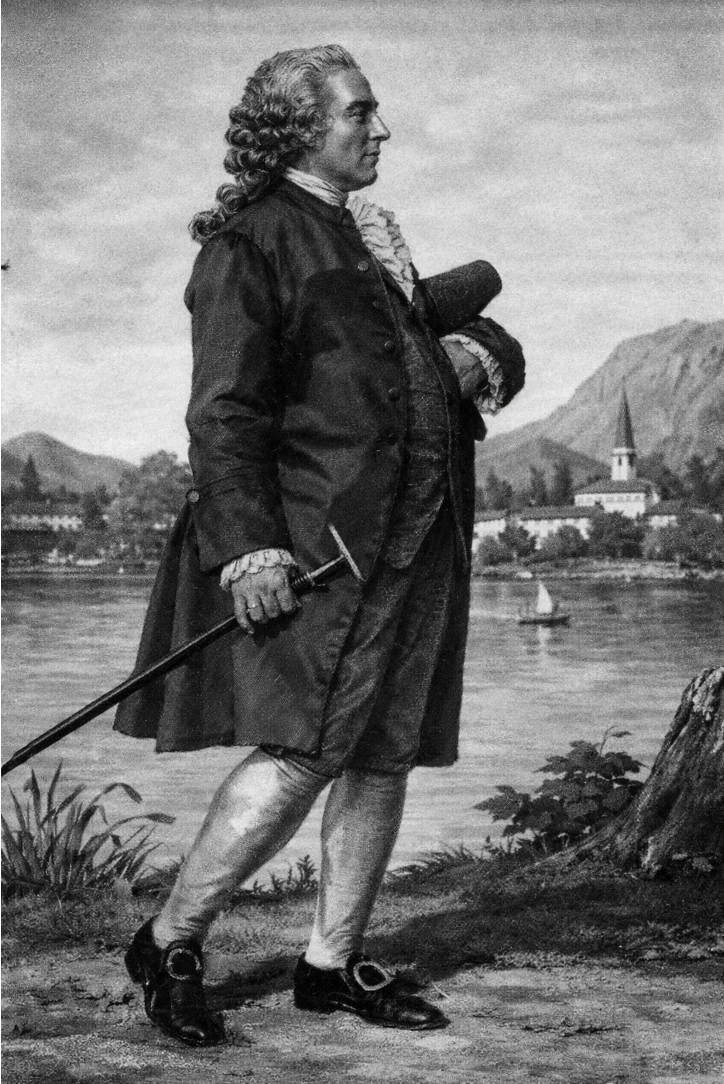
Charles Bonnet 1720-1793
Charles Bonnet was a prominent figure of the European Enlightenment. He was a member of the Royal Society of London (1743) and the Gran Council of Geneva Royal Society of London Member: 1752-1768.
He first described the phenomena later known as Charles Bonnet Syndrome in 1760 in a Copenhagen publication called Essai analytique sur les facultés de l'ame. He wrote:
"…I could tell about a very singular case, which would be considered fabulous if not supported by testimonies of the highest credibility. However, exposure of this psychological phenomenon deserves writing of its own, that I can publish some day. I therefore limit myself to saying that I know a respectable man, full of health, of innocence, judgement and memory, who, completely watchful and independently from all outside influences, perceives from time to time, in front of him, Figures of Men, Women, Birds, Vehicles, of buildings. He saw these figures make different movements… He saw the Tapestry of his apartments suddenly change, in tapestries of another flavour, richer… The person I am talking about was subjected more than once and in old age to cataract surgery on both eyes…’’.
Charles Bonnet syndrome is officially classified in the International Classification of Diseases 11 as visual release hallucinations.
ICD-11 Definition and Criteria
Code: 9D56 (Visual release hallucinations / Charles Bonnet syndrome)
Core Characteristics:
Complex visual hallucinations (ranging from patterns and shapes to detailed objects, faces, animals, or scenes).
Occurs in individuals with partial or complete vision loss.
Exclusively visual (no auditory, tactile, or other sensory hallucinations).
Usually temporary or intermittent.
Exclusions (Not CBS):
Schizophrenia or other primary psychotic disorders (6A20-6A2Z).
Hallucinations caused by general medical or neurological conditions unrelated to visual deprivation, or substance use.
Caveats
CBS includes simple hallucinations such as shapes, colors, patterns and lights in addition to complex hallucinations such as people, animals, and scenes.
Research has not established a minimum level of sight impairment that would cause CBS.
Some patients reports hearing or feeling sensations but these are not associated with CBS.
Although the hallucinations are intermittent, they may continue for months or years as long as the sight impairment exists.